
Wheelchair Platform Lift | FAQ
Your questions answered with our wheelchair
platform lift frequently asked questions
platform lift frequently asked questions
Your questions answered with our wheelchair platform lift frequently asked questions
A home wheelchair lift is an accessibility device that safely transports individuals using wheelchairs or mobility aids between different elevations in a residential setting.
A platform lift is a vertical lifting system designed to carry a person and their wheelchair or mobility device between levels.
A wheelchair platform lift uses a powered lifting mechanism to raise and lower a platform safely between designated levels.
Wheelchair lifts are designed for shorter travel distances and are generally more affordable and space-efficient than elevators.
Home platform lifts can be installed at entrances, porches, decks, garages, patios, and interior level transitions.
Yes. Many platform lifts are specifically designed for outdoor use and can withstand harsh weather conditions.
Yes. Indoor models are available and can be integrated into residential layouts.
Space requirements vary by model and travel height, but platform lifts generally require less space than ramps.
Yes. Modern lifts include multiple safety features designed to protect users during operation.
Common features include safety gates, obstruction sensors, non-slip platforms, emergency stop controls, and battery backup systems.
Many models offer battery backup systems that allow limited operation during power failures.
Weight capacities vary by manufacturer and model, but most lifts accommodate wheelchairs and mobility scooters comfortably.
Yes. Most residential platform lifts are designed for both wheelchairs and mobility scooters.
Absolutely. Platform lifts are a popular accessibility solution for seniors wishing to remain in their homes.
Aging in place refers to remaining safely and independently in your home as you grow older.
A platform lift eliminates mobility barriers and reduces the risk of falls caused by stairs.
The best solution depends on available space, elevation changes, and individual mobility needs.
Platform lifts require less space and can provide easier access for some wheelchair users.
A vertical platform lift transports users straight up and down between different elevations.
Travel height varies depending on the model and installation requirements.
Yes. Many manufacturers offer different platform sizes, gate configurations, and finishes.
Installation timelines vary based on site conditions and project complexity.
Permit requirements vary depending on local building regulations.
Platform lifts should be installed by trained and qualified accessibility professionals.
Yes. Most residential lifts are designed for retrofit applications.
Yes. Many homeowners and builders incorporate lifts into new home designs.
Costs vary depending on lift type, travel height, site conditions, and customization options.
Travel distance, installation requirements, electrical work, and optional features all influence pricing.
Many providers offer financing solutions or can recommend available funding programs.
Some government and community programs may provide financial assistance for accessibility modifications.
Accessibility improvements can enhance a home’s usability and appeal to certain buyers.
Regular maintenance helps ensure safe and reliable performance.
Routine inspections, lubrication, cleaning, and safety testing are commonly recommended.
With proper maintenance, a quality platform lift can provide many years of dependable service.
Yes. Outdoor models are designed to operate in varying weather conditions.
Yes. Outdoor lifts are engineered to withstand rain, snow, and temperature fluctuations.
Yes. Front entrance installations are among the most common residential applications.
Absolutely. Terrace access is a popular use for residential platform lifts.
Yes. Garage installations are common when accessibility between levels is required.
Most modern lifts operate quietly and smoothly.
Some models can be relocated, depending on their design and installation method.
A professional accessibility assessment can help determine the best solution for your needs.
Commercial lifts typically have different code requirements, capacities, and operating specifications.
Quality platform lifts are designed to meet applicable accessibility and safety standards.
Yes. They are often used in residential buildings where accessibility improvements are required.
Yes. They simplify mobility assistance and reduce physical strain on caregivers.
Consider accessibility needs, travel height, available space, budget, and future mobility requirements.
Professional installers ensure compliance, safety, reliability, and long-term performance.
Improved accessibility, greater independence, enhanced safety, and increased convenience.
A wheelchair platform lift provides a long-term accessibility solution that helps individuals maintain mobility, independence, and quality of life within their home.




ELEVATE | PLATFORM LIFTS
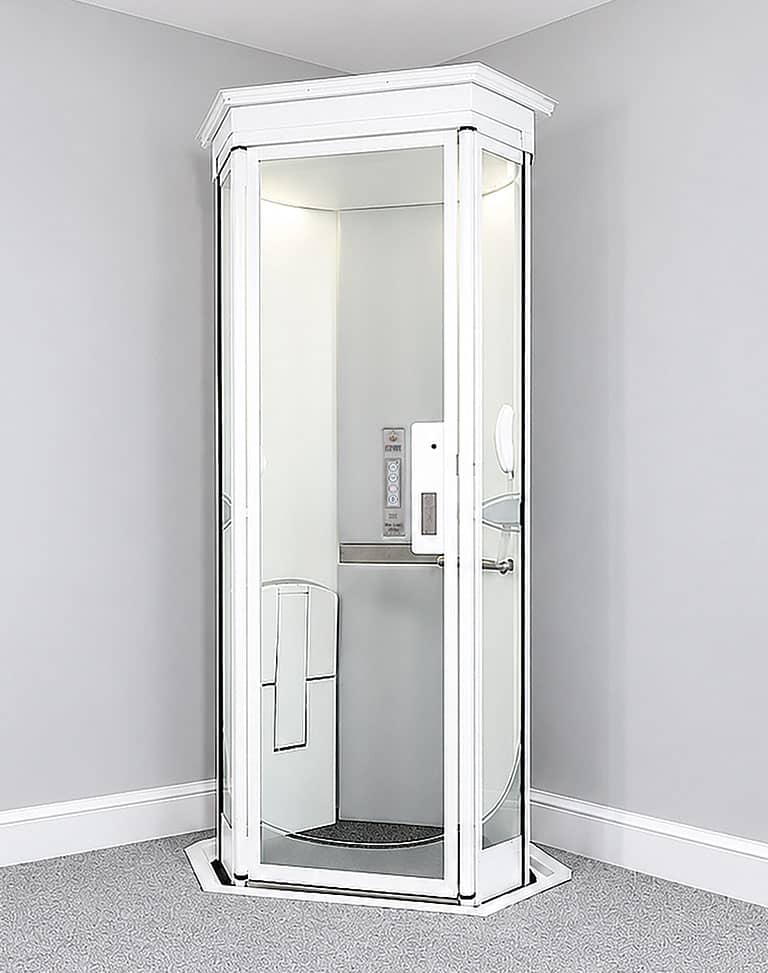
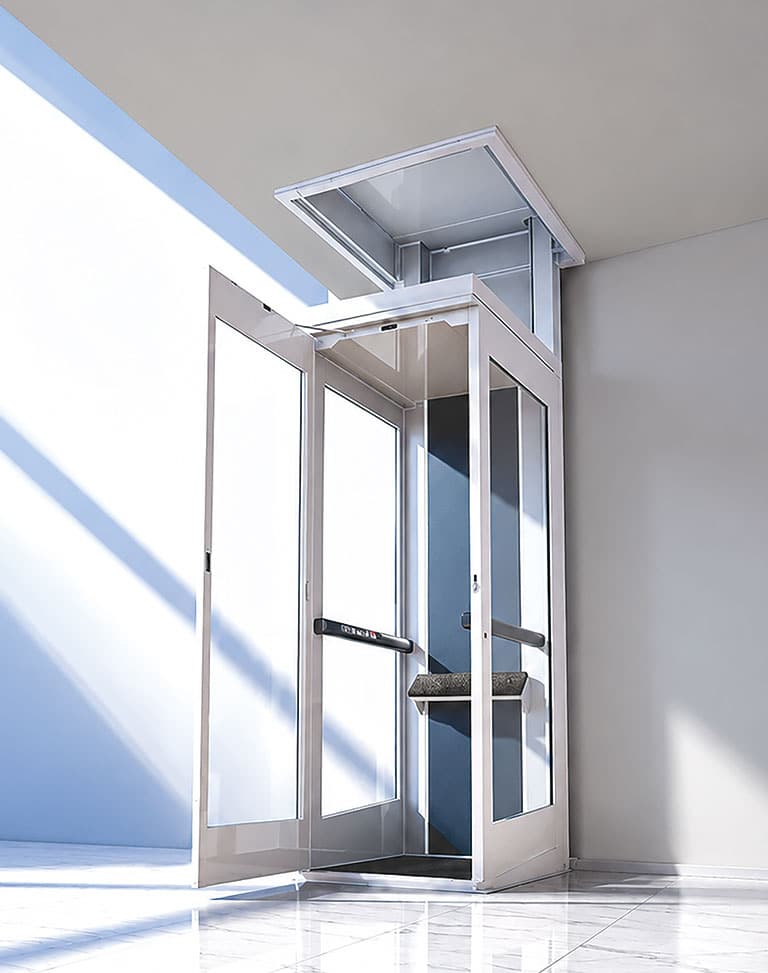
An Elevate wheelchair platform lift is specifically designed for short vertical travel distances
A wheelchair platform lift is a specialist accessibility solution designed to provide safe and convenient access between different levels for individuals using wheelchairs, mobility scooters, walking aids or other mobility equipment. Commonly installed in residential, commercial, healthcare, educational and public settings, wheelchair platform lifts help remove physical barriers while promoting independence, safety and inclusive access.
Unlike conventional passenger lifts, a wheelchair platform lift is specifically designed for short vertical travel distances. These lifts are frequently installed at building entrances, front steps, patios, garages, raised platforms, mezzanine floors and other areas where stairs would otherwise restrict access. Their compact design makes them an ideal solution where space constraints make ramps or traditional lifts impractical.
Residential wheelchair platform lifts are becoming increasingly popular among homeowners looking to remain in their homes for longer or accommodate family members with reduced mobility. By providing safe and reliable access to entrances and different levels within the property, these systems help users maintain their independence and quality of life. Many homeowners choose wheelchair platform lifts because they require significantly less space than ramps and can often be installed with minimal alterations to the existing structure.
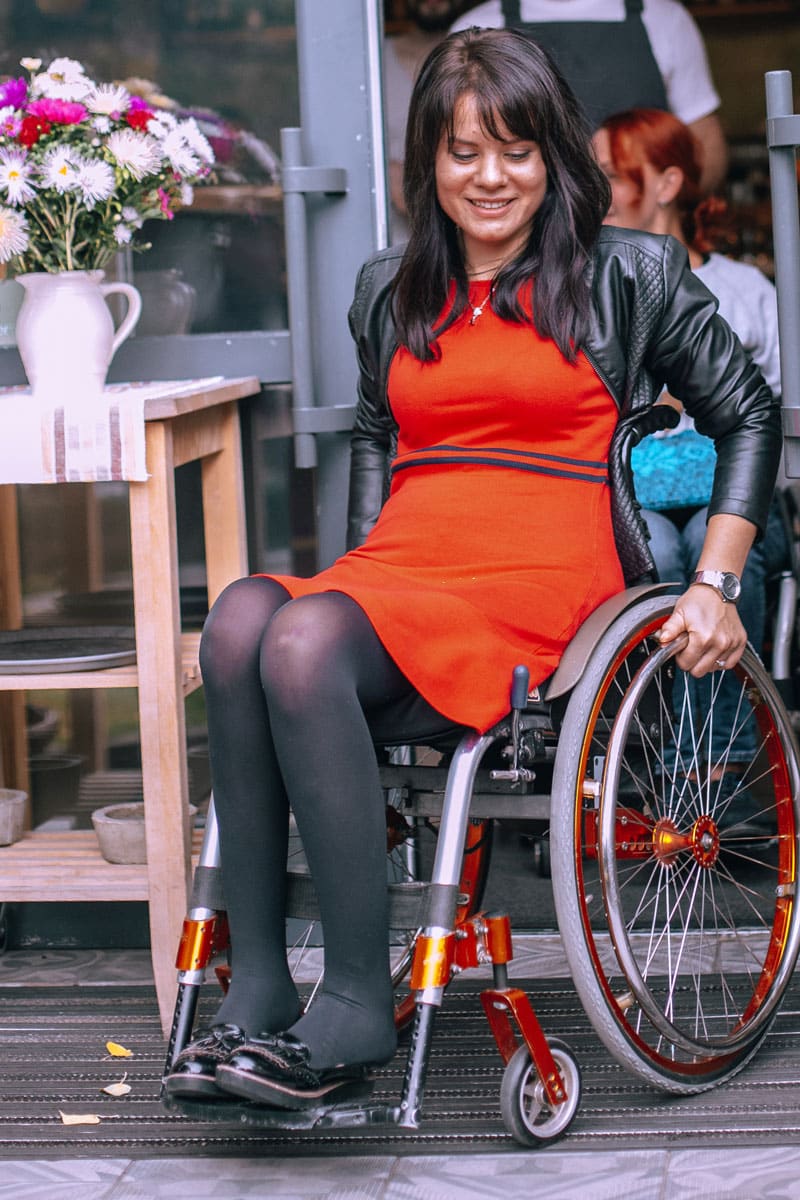
Wheelchair platform lift access in restaurant.
Lucy F. Truro

ELEVATE | PLATFORM LIFTS
Wheelchair platform lifts are available in both indoor and outdoor configurations
Commercial wheelchair platform lifts play an important role in improving accessibility within businesses, schools, healthcare facilities, places of worship and public buildings. They help organisations create more inclusive environments while supporting compliance with accessibility requirements and best practice standards. By improving access for employees, visitors, customers and service users, these lifts contribute to a more welcoming and accessible building.
Safety is a fundamental feature of every wheelchair platform lift. Modern systems typically include non-slip platforms, safety gates, obstruction sensors, emergency stop controls, automatic safety barriers and battery backup systems. These features help ensure smooth, dependable operation while providing reassurance for users, carers and family members.
Wheelchair platform lifts are available in both indoor and outdoor configurations and can be tailored to suit the specific requirements of a property. Outdoor models are designed to withstand the British climate, including rain, frost and changing temperatures, while indoor installations can be integrated seamlessly into residential and commercial environments.
For property owners seeking a practical accessibility solution, a wheelchair platform lift offers an efficient, reliable and cost-effective way to improve mobility and overcome changes in level. Whether installed in a home, workplace, school or public building, these lifts provide long-term accessibility while enhancing safety, independence and overall quality of life.

Our 3‑year* warranty reflects the proven build quality of our products,
giving you dependable access for years to come.
giving you dependable access for years to come.
Reviews that you can trust

The steps into our bungalow had become more difficult every year.
The lift is incredibly easy to use, and I can now come and go independently without worrying about losing my balance.
Peter W.
Leeds
My husband wanted to stay in the family home despite his reduced mobility.
The platform lift has made everyday life much easier for both of us. It’s reliable, discreet, and beautifully installed.
Anne L.
Norwich
We were looking for an accessibility solution that wouldn’t overpower the appearance of our property.
The lift blends in perfectly and operates so smoothly that visitors hardly notice it’s there.
Michael S.
York
